The custom apparel industry continues to grow as businesses, creators, and entrepreneurs search for efficient ways to produce personalized clothing. From branded company uniforms to fashion collections and promotional merchandise, custom shirts remain one of the most popular products in the printing market. Among the available printing methods, Direct-to-Film printing has become a preferred solution because it combines flexibility, quality, and ease of production.
DTF printing allows users to create vibrant designs and transfer them onto various fabrics without the limitations often associated with traditional decoration methods. Whether working with cotton, polyester, or blended materials, DTF transfers can help create professional-looking apparel suitable for a wide range of applications.
For beginners and small business owners, understanding the complete workflow is essential. The process involves creating artwork, printing the design onto transfer film, applying adhesive powder, curing the transfer, and finally applying it to a garment using heat and pressure. When each stage is performed correctly, the result is a clean, durable, and attractive design that customers appreciate.
This guide explains the complete DTF printing process while showing how the right equipment, materials, and production habits can help improve quality, efficiency, and consistency.
Understanding the Complete DTF Printing Process
DTF printing begins with a digital design. Before any transfer is created, artwork must be prepared correctly to ensure the final print appears sharp and professional. High-resolution graphics, proper sizing, and accurate color settings contribute significantly to the quality of the finished product.
Once the artwork is finalized, it is printed onto a specialized film rather than directly onto fabric. This transfer film acts as the carrier that allows the design to be moved from the printing stage to the garment. Because the design is created on film first, businesses can prepare transfers ahead of time and apply them when needed.
After printing, adhesive powder is applied to the wet ink. This powder is one of the most important elements of the process because it creates the bond between the transfer and the garment. Proper powder coverage helps improve durability and ensures the design adheres evenly during application.
The transfer then moves through the curing stage before being pressed onto a shirt. Once cured, the transfer becomes ready for application, allowing the entire production process to move efficiently from design creation to finished apparel.
Understanding these stages helps beginners develop better workflows while reducing costly mistakes that can affect quality and customer satisfaction.
Choosing the Right Equipment for Consistent Results
Equipment plays a major role in determining the quality of custom apparel. While creativity and design skills are important, reliable tools help ensure those designs are reproduced accurately and consistently.
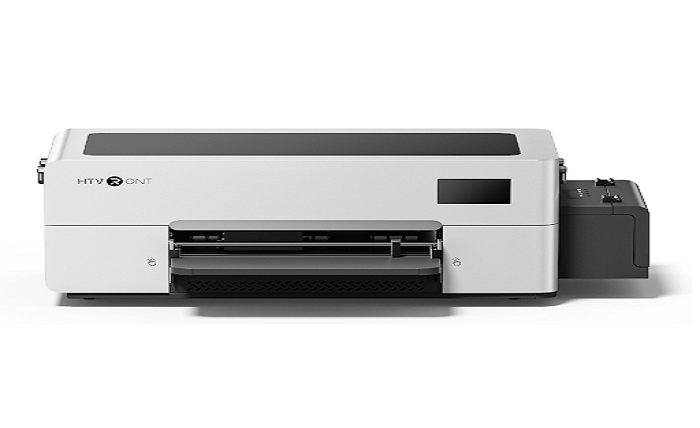
The production process starts with a dependable dtf transfer printer. This equipment creates the printed design that will eventually appear on the garment. Sharp details, smooth gradients, and consistent color reproduction all begin during this stage. A well-maintained printer helps reduce production errors and contributes to professional-looking results.
Beyond printing, production efficiency depends on creating a workflow where every stage supports the next. Consistent output during printing makes it easier to achieve predictable results throughout the rest of the transfer process.
Equipment maintenance is equally important. Regular cleaning, proper storage of materials, and routine inspections help maintain print quality while reducing interruptions. Small maintenance tasks often prevent larger production issues and support long-term reliability.
Businesses that invest time in understanding their equipment generally find it easier to produce consistent results while maintaining efficient operations.
Preparing Artwork and Producing High-Quality Transfers
The quality of a finished shirt often reflects the quality of the original artwork. Even the best production equipment cannot fully compensate for poorly prepared designs. For this reason, artwork preparation deserves careful attention.
Design files should be created using suitable dimensions and appropriate resolution settings. Clear graphics and well-organized layouts help ensure that the transfer maintains its appearance throughout production. Proper preparation also reduces the risk of printing errors and unnecessary material waste.
After printing, adhesive powder must be applied evenly across the transfer. Uneven powder coverage can create weak areas that affect adhesion during application. Taking time to apply powder carefully helps improve transfer consistency and durability.
Proper handling of transfer film is also important. Dust, moisture, and contamination can affect print quality. Keeping workspaces clean and organized contributes to smoother production and more professional results.
Testing new designs before large production runs can also help identify potential issues. Small adjustments made early in the process often save time and materials later.
Why Proper Curing Matters in DTF Printing
Many beginners focus primarily on the printing stage while overlooking the importance of curing. However, curing plays a critical role in preparing transfers for successful application.
Once adhesive powder has been applied, the transfer must be heated correctly so the adhesive can prepare for bonding with the garment. This stage helps create transfers that are easier to handle and more reliable during application.
A dedicated DTF Oven can help create a consistent curing process. Consistency is important because transfers that are not cured properly may experience adhesion issues during application. Similarly, excessive curing can create unnecessary challenges that affect final quality.
As production volume increases, repeatable curing procedures become even more important. Businesses benefit from establishing standardized workflows that produce similar results across multiple production runs.
Proper curing not only supports durability but also improves overall production efficiency by reducing transfer failures and minimizing wasted materials.
Applying Transfers to Garments Successfully
Once the transfer has been printed, powdered, and cured, it is ready to be applied to a garment. This stage requires attention to preparation, positioning, and application settings.
Before pressing, garments should be clean, dry, and free from contaminants. Proper garment preparation helps create a smooth surface for transfer application and improves overall results. Even small amounts of moisture or debris can affect adhesion.
Accurate transfer placement is also important. Consistent positioning helps create a professional appearance, especially when producing multiple garments for a customer or brand. Taking time to align designs correctly contributes to higher-quality finished products.
Heat and pressure are then used to bond the transfer to the fabric. The process should be performed according to the transfer requirements to ensure strong adhesion and a clean finish. Consistency during this stage supports both durability and appearance.
After application, garments should be handled carefully and allowed to settle according to recommended procedures. Proper finishing helps maintain quality and contributes to customer satisfaction.
Avoiding Common Mistakes and Improving Production Quality
Every printing method involves a learning curve, and DTF printing is no exception. Fortunately, many common problems can be avoided through preparation and consistency.
One frequent issue is uneven adhesive powder application. Insufficient coverage can create weak spots within the design, while excessive powder may affect appearance. Developing a consistent application method helps improve reliability.
Improper curing is another common challenge. Transfers that are not prepared correctly may not bond as expected during application. Establishing repeatable curing procedures helps reduce variability and improve production consistency.
Heat application settings can also affect results. Using a reliable shirt press and following consistent procedures helps minimize issues related to weak adhesion or inconsistent appearance. Careful monitoring of production settings contributes to better outcomes.
Poor garment preparation is another source of avoidable errors. Clean garments, organized workspaces, and proper material handling help maintain quality throughout the production process.
Businesses that document successful settings, materials, and workflows often find it easier to repeat good results and train new team members as production expands.
Conclusion
DTF printing offers an accessible and versatile solution for creating custom apparel across a wide range of garment types. Its ability to produce detailed designs on various fabrics makes it an attractive option for entrepreneurs, creators, and growing apparel businesses.
Success begins with quality artwork and dependable production equipment. The workflow starts with printing the design, continues through proper powder application and curing, and concludes with accurate transfer application. Each stage contributes to the appearance, durability, and overall quality of the finished garment.
By focusing on consistent workflows, proper material handling, routine equipment maintenance, and quality control, businesses can improve efficiency while producing professional-looking custom apparel. As skills develop and production processes become more refined, DTF printing can become a valuable foundation for long-term growth in the custom clothing industry.