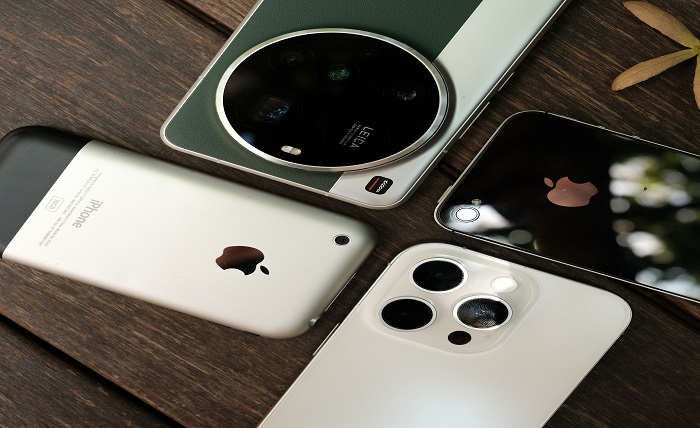
Mobile technology has become one of the defining developments of modern society. What began as a relatively simple method of wireless communication has evolved into an ecosystem that influences almost every aspect of everyday life. Smartphones are now used not only for making calls and sending messages, but also for education, entertainment, business, navigation, shopping, financial management, photography, and social interaction.
The speed of this transformation is remarkable. A device that once served primarily as a communication tool has become a personal digital assistant capable of performing hundreds of functions. Applications have replaced many traditional tools, while cloud-based services allow users to access their information from almost anywhere.
One of the most important changes created by mobile technology is convenience. People no longer need to be physically present in front of a desktop computer to access online services. A smartphone can provide access to websites, applications, digital documents, entertainment platforms, and communication services within seconds.
This convenience has changed people’s expectations. Internet users have become accustomed to fast loading times, simple interfaces, instant notifications, and services that are available throughout the day. Businesses have had to adapt by making their websites and applications more responsive and mobile-friendly.
The rise of mobile technology has also changed how people communicate. Traditional communication methods have increasingly been replaced by instant messaging, video calls, voice notes, and social media. These technologies allow people to maintain relationships despite geographical distances.
Communication is no longer restricted by location or time zones. A message can be sent from one side of the world and received almost immediately on the other side. Video conferencing has also become an important tool for education, business, and personal communication.
Mobile technology has had an equally significant impact on education. Students can access digital libraries, online courses, educational videos, language-learning applications, and interactive learning platforms directly from their phones. This has expanded access to educational resources beyond traditional classrooms.
The availability of information has also changed the role of teachers and educational institutions. Instead of being the only source of knowledge, educators increasingly act as guides who help students evaluate and understand information found through digital resources.
However, access to information also creates challenges. The internet contains reliable educational material as well as misinformation. Students need digital literacy skills to determine whether a source is credible and whether the information presented is supported by evidence.
Entertainment is another area where mobile technology has created enormous changes. Music streaming, video platforms, mobile games, social media, podcasts, and other forms of entertainment can now be accessed through a single device.
People can customize their entertainment based on personal preferences. Recommendation systems can suggest videos, songs, games, or other content based on previous activity. This personalization makes digital entertainment more convenient, although it also raises questions about how algorithms influence user behavior.
Mobile gaming demonstrates how powerful smartphones have become. Modern phones are capable of running sophisticated games that were once limited to dedicated gaming hardware. Online connectivity also allows players to compete and communicate with others from different countries.
Digital entertainment brands can benefit from this environment because mobile devices make access easier. A platform such as daywinbet may become part of the broader mobile entertainment ecosystem, where users discover services through search engines, applications, online communities, and social platforms. However, users should always evaluate digital services carefully and understand the conditions associated with any platform they choose to use.
Shopping has experienced a similar transformation. Mobile commerce allows consumers to compare products, read reviews, check prices, and place orders without visiting a physical store. Digital payment systems have made transactions faster and more convenient.
The combination of smartphones and digital payments has also encouraged the development of small businesses. Entrepreneurs can promote products through social media, communicate with customers through messaging applications, and receive payments through mobile platforms.
For businesses, this means that having a digital presence is no longer optional in many industries. A company may have a physical location but still depend heavily on its website, social media accounts, and mobile communication channels.
Customer expectations have changed as well. Consumers expect businesses to respond quickly to questions and provide information that is easy to access. Slow responses or outdated websites can negatively affect a company’s reputation.
Mobile technology has also transformed navigation and transportation. Digital maps can provide real-time directions, traffic information, public transportation data, and location-based recommendations. Ride-hailing applications have made transportation more accessible in many cities.
These developments demonstrate how mobile technology combines multiple services into a single ecosystem. Instead of using separate tools for navigation, communication, payments, and entertainment, users can perform many activities from one device.
Despite its advantages, mobile technology also presents challenges. Constant connectivity can make it difficult for people to disconnect from digital environments. Notifications, social media updates, and messages can interrupt concentration and create a sense of always needing to remain available.
Developing healthy digital habits is therefore becoming increasingly important. People can benefit from technology without allowing it to dominate their attention. Simple practices such as turning off unnecessary notifications, creating periods without screens, and being selective about applications can help users maintain balance.
Privacy is another important consideration. Smartphones contain large amounts of personal information, including photographs, contacts, messages, location data, and application activity. Users should understand application permissions and regularly review their privacy settings.
Security is equally important. Strong passwords, device updates, two-factor authentication, and careful management of applications can reduce common digital risks.
The future of mobile technology will likely involve even greater integration with artificial intelligence and wearable devices. AI-powered assistants may become more capable of understanding context and helping users complete complex tasks. Wearable devices may provide additional ways to interact with digital services without constantly using a smartphone.
Foldable displays, improved battery technology, faster networks, and more advanced processors may further expand what mobile devices can accomplish. The distinction between smartphones, computers, and other digital devices may become increasingly blurred.
The development of mobile technology also demonstrates an important principle about innovation: successful technology is not necessarily defined by complexity. The most valuable innovations often solve everyday problems in simple and accessible ways.
For users, the challenge is learning how to take advantage of these technologies while maintaining awareness of their limitations. Convenience should not replace critical thinking, and personalization should not eliminate personal choice.
Mobile technology has fundamentally changed modern lifestyles because it has made digital services portable. Information, communication, entertainment, and business activities are no longer tied to a specific physical location.
As technology continues to evolve, this trend will probably become even stronger. Future devices may become smaller, smarter, and more integrated into daily environments. Yet the fundamental goal will remain the same: helping people communicate, access information, solve problems, and accomplish tasks more efficiently.
The mobile revolution is therefore not simply about smartphones. It represents a broader transformation in the relationship between people and digital technology. As society becomes increasingly connected, understanding how to use these tools responsibly will be just as important as having access to them.