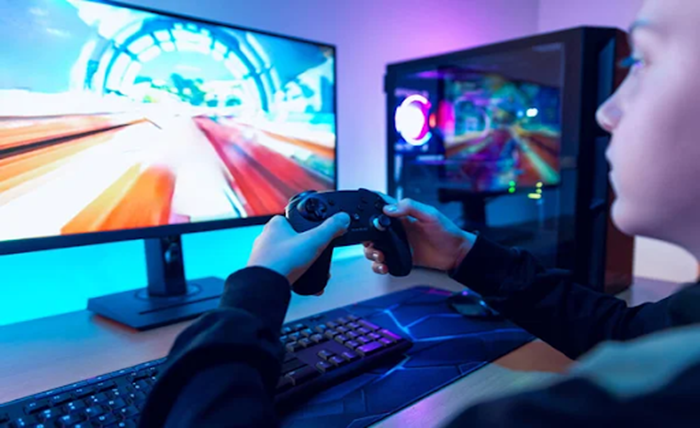
Have you ever noticed how modern online games respond to almost everything you do on the screen? A simple tap can trigger colourful animations, moving characters, sound effects, or a completely different game scene. These small interactions make digital games feel more active than traditional forms of entertainment.
Modern online gaming focuses on creating experiences where players can interact with controls, characters, and visual elements. From casual puzzle games to online slots, developers use technology and creative design to make familiar gameplay more responsive and interesting.
Understanding how interactive game design works can help players choose enjoyable games while recognising the importance of clear rules, comfortable controls, and responsible gaming habits.
How Interactive Design Is Changing Online Games
Traditional digital games often relied on simple actions and limited visual feedback. Players would press a button, complete an activity, and wait for the result.
Modern games can respond through animations, changing environments, and other visual signals that explain what is happening.
Making Simple Actions More Responsive
Interactive design creates a connection between player actions and events displayed on the screen.
For example, matching objects in a puzzle game might trigger an animation that shows the completed combination.
Similarly, an online slot gacor may highlight matching symbols after the reels stop.
These responses make gameplay easier to follow without necessarily changing its underlying mechanics.
Creating More Personal Gaming Experiences
Some games allow players to adjust sound settings, graphics quality, or control preferences.
These options help people create a more comfortable experience based on their devices and personal preferences.
However, adjustable settings should not be confused with control over random outcomes in real-money games.
Why Animation Is Important in Interactive Gaming
Animation helps developers communicate information through movement. It can explain completed actions, introduce new features, and connect different parts of a game.
When used carefully, animation makes games visually interesting without overwhelming players.
Animated Characters and Visual Feedback
Some online ZEUS222 games feature characters that react to player actions.
For example, a cartoon character might celebrate after a completed challenge.
In online slots, animated symbols may glow, expand, or move when particular combinations appear.
These effects provide visual feedback rather than predictions about future results.
Moving Backgrounds and Changing Scenes
Developers can use animated environments to make games feel more active.
An underwater game might feature swimming fish, while a fantasy-themed slot could display floating magical objects.
Changing backgrounds can also indicate that a new level or special feature has started.
Players should still check the instructions to understand what these changes mean.
How Storytelling Makes Games More Interactive
Storytelling helps connect characters, environments, and gameplay events. Developers use creative themes to make familiar mechanics feel more distinctive.
However, not every game offers player-controlled story progression.
Characters That Support Gameplay
Adventure games may feature characters who respond to player decisions or move between locations.
Online slots might include animated characters who introduce bonus features.
These creative elements can make the game more memorable, although they do not necessarily influence winning probabilities.
Themes That Create Different Experiences
Common online gaming themes include:
- Fantasy: Magical creatures, glowing objects, and imaginary environments.
- Adventure: Treasure maps, explorers, and changing scenery.
- Nature: Colourful wildlife, forests, and flowing rivers.
- Science fiction: Spacecraft, futuristic cities, and animated planets.
- Classic arcade: Familiar symbols, bright colours, and retro-style graphics.
Players can choose themes based on personal interests rather than assuming that certain designs offer better outcomes.
How Interactive Features Add Variety to Online Slots
Modern online slots demonstrate how traditional mechanics can be presented through interactive-looking features.
Although spinning reels remain central to gameplay, developers can introduce additional mechanics and visual effects.
Free Spins and Multipliers
Free spins provide additional spins under conditions defined by the game, while multipliers increase qualifying payouts according to specific rules.
Developers may introduce these features through animated characters, glowing symbols, or changing backgrounds.
Players should read the paytable to understand how bonuses operate.
Cascading Reels and Symbol Changes
Some online slots feature cascading mechanics, where symbols involved in winning combinations disappear and new symbols replace them.
This creates continuous movement similar to certain puzzle games.
However, these animations do not give players control over random outcomes, and further winning combinations are not guaranteed.
Why Mobile-Friendly Interaction Matters
Smartphones have influenced how online games are designed. Smaller screens and touchscreen controls require developers to balance visual creativity with practical usability.
A responsive interface helps players understand and control basic game functions.
Clear Buttons and Easy Navigation
Mobile games should provide readable instructions, appropriately sized buttons, and accessible settings.
For real-money games, betting amounts and balance information should remain clearly visible.
Confusing controls can lead to accidental selections, making usability particularly important.
Smooth Performance Across Devices
Detailed animations may require additional processing power.
Older smartphones can sometimes experience delayed responses or uneven movement.
Players should check loading speed, screen readability, and control responsiveness before playing.
Understanding Interactive Entertainment and Financial Risk
Interactive features can make games entertaining, but attractive design does not guarantee better financial outcomes.
Players should understand the underlying mechanics before participating in real-money gaming.
Random Results and RTP
Online slots generally use random number generators to determine outcomes according to programmed rules.
Return to Player (RTP) describes theoretical returns over a very large number of plays, while volatility indicates the general pattern of payouts.
Animated characters, dramatic sounds, and near-win effects do not improve winning probabilities.
Recognising Features That Encourage Longer Sessions
Progress indicators, colourful celebrations, and repeated bonus animations can make games feel exciting.
However, these effects may also encourage players to continue longer than intended.
Players should avoid increasing bets because a feature appears close to activating.
How to Keep Interactive Gaming Responsible
Interactive games can provide enjoyable entertainment, but maintaining clear boundaries remains important.
Players should decide how much time and money they can comfortably spend before starting.
Practical Habits for Better Gaming
Useful precautions include:
- Setting reasonable time and spending limits.
- Taking regular breaks during gaming sessions.
- Avoiding attempts to recover previous losses.
- Checking game rules before using real money.
- Exploring demonstration modes when available.
Online gaming should always be treated as entertainment, not as a dependable source of income.
Conclusion
Modern online games focus on interactive experiences because responsive controls, animation, storytelling, and creative features make familiar gameplay more expressive.
These design elements help players understand actions while giving different games recognisable identities.
However, enjoyable interaction also depends on clear information, comfortable navigation, and realistic expectations. Understanding both the creative features and practical mechanics helps players appreciate modern digital gaming while maintaining responsible habits.