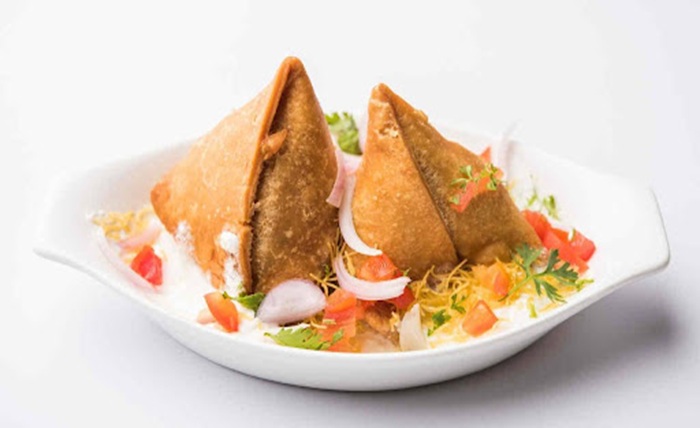
Go to any corner of an urban Indian city, and you are bound to hear the sizzling sound of a large kadai filled with boiling oil. Street food isn’t just a culinary preference in India; it’s a culture, a daily ritual, and for millions of people, a financial necessity. At the absolute center of this massive ecosystem sits the city samosa—the undisputed king of quick, savory snacks.
For decades, the unwritten contract of the Indian street food scene was simple: if you wanted something cheap and fast, you went to the local roadside cart. If you wanted something hygienic, premium, and packaged, you went to a high-end cafe or a casual dining restaurant.
For the longest time, there was no middle ground. You either paid with your health or you paid with your wallet.
But over the last few years, a rapid shift has been happening in the Quick Service Restaurant (QSR) sector. One brand, in particular, has torn up the old rulebook entirely. By marrying premium hygiene with shockingly affordable rates, City Samosa is pulling off a minor miracle in the food industry: delivering exceptionally high quality alongside honest pricing.
As a blogger who tracks consumer habits and market disruptions, I wanted to unpack exactly how City Samosa is reinventing the traditional street powerdynamosfc.com bite without losing the soul of what makes street food great.
The False Compromise: Why the Old Street Food Model is Broken
To understand why City Samosa’s approach is so revolutionary, we first need to look at the dilemma facing the average urban consumer today.
When you buy a rock-bottom-priced samosa from an unregulated roadside vendor, you are often taking a gamble. The oil might be reused far past its safe shelf-life, the water used for the chutneys might be questionable, and the preparation environment is completely exposed to city dust and pollution.
On the flip side, if you step into a modern shopping mall or an air-conditioned cafe to get a clean samosa, you are immediately hit with a massive markup. You aren’t just paying for the potato and dough anymore; you are paying for the brand’s expensive real estate, their high-voltage air conditioning, and their premium packaging. Suddenly, a humble snack that should cost pennies ends up costing the price of a full meal.
City Samosa looked at this gap in the market and asked a fundamental question: Why can’t everyday street food be both perfectly safe and accessible to the common man?
1. Demystifying “High Quality” in the QSR Space
When a brand claims to have “high quality,” it’s easy to dismiss it as corporate marketing jargon. But in the food business, quality leaves a paper trail. City Samosa redefined quality by focusing on three specific pillars:
A. Strict Ingredient Sourcing
A great samosa lives and dies by its structural integrity and its spicing. City Samosa enforces rigid standards on their raw materials. The flour used for the patti (the outer crust) must yield that perfect, non-greasy flake. The potatoes must be fresh and consistently textured, and the spice blend must hit a precise flavor profile that appeals to the masses without relying on artificial flavor enhancers or heavy preservatives.
B. Medical-Grade Hygiene Standard Operating Procedures (SOPs)
Walk past a City Samosa outlet, and the first thing that hits you isn’t just the smell of food—it’s how bright, clean, and organized the space is. By shifting production away from chaotic roadside setups and into controlled, standardized kitchen environments, the brand ensures that every single snack handled complies with modern food safety guidelines. Workers are trained in proper sanitation, ingredients are stored at optimal temperatures, and oil quality is monitored rigorously.
C. The Perfect “Crunch-to-Filling” Ratio
Engineering a great samosa is a science. If the crust is too thick, it tastes like raw dough; if it’s too thin, the filling bursts and absorbs too much oil. City Samosa has standardized its manufacturing process so that the pastry thickness and the internal aloo mass are balanced to perfection, ensuring a clean, satisfying crunch that isn’t dripping with excess grease.
2. The Mechanics of “Honest Pricing”
Now, here is the real puzzle: How do you offer premium quality and clean environments without charging a premium price? In a market battered by inflation, how does City Samosa keep its menu incredibly wallet-friendly?
The secret isn’t cutting corners; it’s operational efficiency.
[Centralized Sourcing] ➔ [Optimized Hub-and-Spoke Supply Chain] ➔ [Low-Waste Smart Kitchens] = Honest Consumer Pricing
- Bulk Procurement Power: By scaling across multiple locations in cities like Thane and Pune, City Samosa buys its raw ingredients in massive quantities. This volume allows them to negotiate lower prices directly with suppliers, a luxury that individual roadside vendors don’t have.
- The Hub-and-Spoke Model: Instead of each individual outlet preparing everything from scratch—which requires massive space, heavy equipment, and highly skilled labor—the brand utilizes a centralized kitchen system. Semi-prepared items are distributed efficiently to local outlets, minimizing waste and drastically lowering the overhead costs of running an individual store.
- Micro-Footprint Outlets: City Samosa stores are smartly designed. They don’t need sprawling, expensive dining areas with massive seating capacities. By optimizing for a quick-service, takeaway, and delivery-friendly format, they save thousands in rent and electricity—savings that are passed directly down to the customer.
3. The Social Impact: Fighting Food Inflation
Honest pricing isn’t just a smart business strategy; it’s a form of consumer advocacy. For the working class, students, and middle-income families, the rising cost of living has made eating out an expensive luxury.
By keeping their core menu anchored to honest, accessible prices, City Samosa has democratized clean food. They have proven that dignity in dining—eating food that won’t make you sick, served in a clean environment—should not be exclusive to the wealthy. It’s a powerful branding statement that builds fierce, unbreakable customer loyalty.
Reimagining an Icon for the Next Generation
Ultimately, City Samosa hasn’t changed the identity of the samosa; they have simply given it the respect it deserves. They took a timeless, beloved street food staple, stripped away the unhygienic practices of the past, removed the elitist price tags of the present, and built a model for the future.
Whether you are pulling up to grab a quick Samosa Pav on your way to the office or ordering a box for a family gathering, you know exactly what you are getting: an uncompromisingly clean, delicious bite that respects your hard-earned money.
In a world where everything seems to be getting more expensive and less reliable, City Samosa’s commitment to high quality and honest pricing isn’t just refreshing—it’s a blueprint for how modern Indian street food should be done.