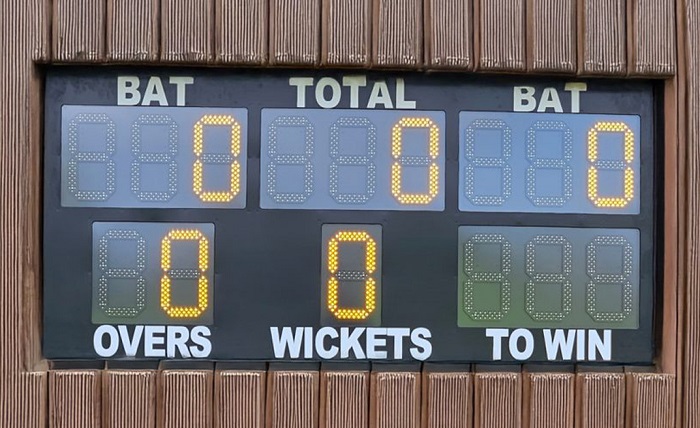
Cricket follows people around now. It shows up during a work break, while waiting in line, in the middle of a message thread, or during those quiet few minutes before heading out. Very few fans sit in one place and watch every ball from start to finish anymore. Most people move in and out of the match all day, catching the score, checking who is batting, then coming back later when the game starts to tighten. That shift changed what people expect from live coverage. A good digital experience has to feel quick, clear, and easy to read without making the user work for basic information.
That same habit fits naturally with other parts of screen culture. People already change how text looks, how apps feel, and how information appears on their phones because small visual details affect whether a page feels pleasant or tiring. Live sports benefit from the same logic. When the layout is clean and the wording is easy to scan, the match feels closer. When the screen feels cluttered, even a simple score update can become annoying. In cricket, where timing and momentum matter so much, that first glance has real value.
A Good Live Cricket Page Has to Make Sense Right Away
Most people do not open a live score page to spend a long time figuring things out. They usually want one quick update. Is the game still even. Did the batting side settle down. Did that last wicket change everything. Because of that, the page has to be clear from the first second. The score should stand out immediately, with the overs, wickets, and recent changes close by. If the layout feels confusing or takes too long to read, people lose interest fast, especially when they are checking the match in the middle of something else.
That is where a simple, readable cricket live app experience starts to matter. On a phone, clarity decides everything. A fan may check the score ten times in one day, but each visit is short. The screen should make sense without effort. It should show whether the run rate is healthy, whether the bowling side has pulled things back, and whether the innings is moving with freedom or getting stuck. When those details appear naturally, the page feels useful instead of noisy.
Screen Style Changes the Mood of Reading
People usually think about live sports in terms of speed, but presentation matters almost as much. A page may update quickly and still feel tiring if the text is cramped, the contrast is poor, or the structure looks uneven. Readers spend a lot of time on phones now, ,so visual comfort is part of usability whether people talk about it or not. Even small things such as spacing, readable lines, and clean text blocks can make the match feel easier to follow during a long day.
Quick Check-Ins Need More Than a Bare Score
A single scoreline rarely tells enough in cricket. Eighty-three for 2 can feel steady in one format and slightly behind in another. The reader wants more than the total. They want to know whether the latest over shifted pressure, whether a batter has settled in, and whether the asking rate is beginning to ask harder questions. Good live coverage gives that context without turning the page into a wall of data.
The best pages respect how people actually read
Most fans are not studying every update in detail. They are scanning. They want the score first, then the meaning behind it. That means recent balls, current rate, target pressure, and batting status should be easy to pick up at a glance. A useful page respects that reading style. It does not bury the match under decoration. It gives enough detail to make the score feel alive.
Cricket and Phone Culture Fit Together Better Than Ever
There is a reason live cricket works so well on mobile. The sport moves through phases, and that suits short returns. A person can step away, come back after fifteen minutes, and still reconnect with the match if the page explains the state of play properly. That pattern feels familiar to anyone used to fast app use, quick swipes, and repeated check-ins throughout the day. Cricket no longer asks for a fixed viewing window. It moves with the person, and live coverage should do the same.