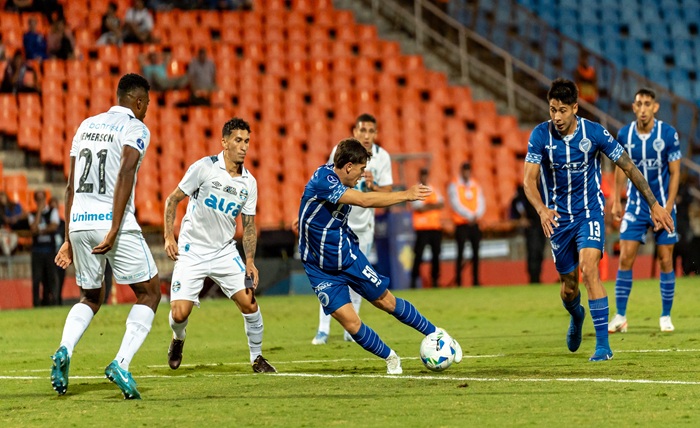
Reading football odds before a match looks simple, but a single number rarely tells the complete story. The handicap line, odds, team selection, recent form, and motivation can all influence how a market should be understood. Following soi kèo can provide additional context, but bettors should still know how to evaluate the information themselves.
Why One Number Is Not Enough
A common mistake is to look at the handicap and immediately decide which team has the advantage. For example, seeing a team listed at -0.5 may appear straightforward, but the line alone does not explain the full market.
The price attached to that handicap is equally important. A change in odds can indicate that the market is being adjusted even when the handicap itself remains unchanged.
This is why the handicap should be treated as a starting point rather than a final conclusion.
Ignoring the Odds
Another frequent error is focusing only on the handicap while ignoring the actual price.
Two bookmakers can offer the same handicap but different odds. This difference can matter because the price reflects how the market is being balanced.
It is useful to compare:
Overlooking Confirmed Lineups
Expected lineups are useful before match day, but they are not guaranteed to be accurate. The confirmed starting eleven can change the way a match should be assessed.
A missing striker, central defender, goalkeeper, or creative midfielder may have a noticeable effect on a team’s expected performance.
Before interpreting the final odds, check whether the important players are available and whether the starting formation matches expectations.
Ignoring Team Motivation
Motivation is another factor that is often underestimated. Two teams with similar statistics can approach a match very differently depending on what is at stake.
A team fighting for a title may have a stronger incentive to attack, while a side with little to play for may take fewer risks. Relegation battles, qualification races, cup competitions, and upcoming important fixtures can all influence tactical decisions.
Therefore, recent results alone may not explain how a team is likely to perform.
Opening odds
Current odds
Handicap changes
Price changes without a handicap change
Differences between bookmakers
A small movement may be normal market activity, while a larger adjustment could deserve closer attention.
Common Mistakes When Reading Odds
There are several mistakes that can make pre-match analysis less reliable. sai lầm khi đọc tỷ lệ kèo is a useful reference for understanding why bettors should examine the wider market instead of relying on a single indicator.
Looking only at the handicap
Ignoring the odds attached to the line
Failing to compare opening and current prices
Relying completely on historical statistics
Ignoring confirmed team news
Forgetting about injuries and suspensions
Underestimating motivation
Reacting emotionally to sudden price changes
Avoiding these mistakes can make the analysis more structured and objective.
Taking Recent Form Too Literally
Recent form can be valuable, but it should not be used without context. A team may have won several consecutive matches against weaker opponents, while another side may have faced much stronger competition.
The quality of opposition, home or away status, and tactical circumstances should be considered alongside the results.
A short winning or losing streak should not automatically determine how the next match will develop.
Following Market Movement Blindly
Odds movement can provide useful information, but blindly following a moving price is another common mistake.
A price may change because of an injury, lineup announcement, betting volume, or bookmaker adjustment. Without knowing the reason, it is difficult to determine whether the movement is meaningful.
Instead of asking only where the odds moved, ask why they moved.
Forgetting the Match Context
Every match has its own circumstances. Weather, fixture congestion, travel, competition format, home advantage, and tactical expectations can all influence the market.
For example, a team playing another important match a few days later may rotate players. A match affected by heavy rain may also develop differently from a normal fixture.
Good pre-match analysis therefore combines numerical data with practical football information.
A Better Way to Read Pre-Match Odds
A simple routine can reduce analytical mistakes. Start with the opening handicap and odds, then compare them with the current market.
Next, check confirmed lineups, injuries, suspensions, recent form, motivation, and match conditions. After collecting this information, return to the odds and consider whether the current line makes sense within the wider context.
This approach is more reliable than selecting a side simply because its handicap looks attractive.
Final Thoughts
Pre-match football odds should never be judged from the handicap alone. The odds, team news, motivation, form, and match circumstances all contribute to a more complete picture.
The key is to avoid rushing toward a conclusion based on one statistic. By comparing different pieces of information and understanding why the market changes, bettors can approach pre-match analysis with greater discipline and fewer avoidable mistakes.