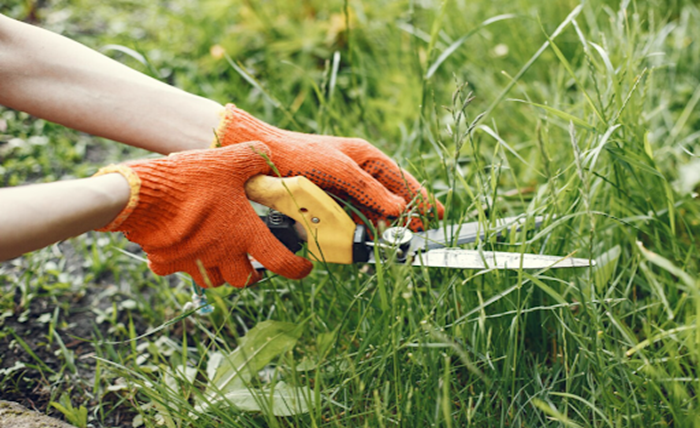
One season a lawn may appear to be healthy, and the other season it may not. Grass can be affected by hot weather, changes in rainfall, weeds, pests, and changes in nutrient requirements. By the time these issues are addressed once they start showing up, the lawn might be under stress.
Recurring lawn care services take a more consistent approach. Rather than waiting until issues arise to treat the lawn, regular applications offer treatment at various stages during the growing process. Each treatment can address the needs of the grass and the conditions it faces at that time.
This method can reinforce tougher turf and assist in controlling weeds and other typical lawn issues.
The following are five ways in which recurring services can help maintain healthier grass all year-round.
- Maintain Consistent Nutrient Levels Throughout the Year
During the growth cycle, grass requires various nutrients. The application of fertilizer at the inappropriate time may not provide support to the lawn. A recurring lawn care package may offer routine fertilization depending on the type of grass, season, and lawn condition.
Frequent applications assist in supplying nutrients at the time when grass can utilize them productively. Fertilizer may be used to maintain healthy growth and turf density in active growth. Treatment requirements can be modified as the seasons change to support root growth and lawn maintenance.
A scheduled approach also eliminates the guesswork in fertilization. Treatments may be based on seasonal growth patterns. This assists in maintaining a more stable nutrient supply during the year.
- Prevent Weeds Before They Compete with Grass
Weeds compete with grass for water, nutrients, sunlight, and space. Once they become established, they can be harder to control. Recurring lawn care can help manage weeds through pre-emergent and post-emergent treatments.
Pre-emergent applications help prevent certain weeds from sprouting. Post-emergent treatments target weeds that are already growing. Since weed activity changes with the seasons, treatment timing also matters.
Regular applications can help maintain control as new weeds appear. This reduces competition for essential resources and gives grass more room to grow. It also creates a consistent approach to weed management instead of waiting until weeds become widespread.
- Address Seasonal Lawn Pests and Diseases
Grass can face more than weed pressure throughout the year. Insects and lawn diseases can also affect turf health, particularly when weather conditions create favorable conditions for them.
Recurring care allows the lawn to be checked at different points during the season. This makes it easier to notice changes that may indicate insect activity or disease concerns. Early attention can also help prevent a small issue from becoming more widespread.
For example, certain lawn pests become more active during warmer periods. Other problems may appear when moisture, temperature, and turf conditions change. Regular monitoring helps account for these differences rather than treating every season in exactly the same way.
When needed, lawn care plans may also include specialized treatments for pests or diseases. This creates a more responsive approach because the lawn receives attention based on its current condition.
- Support Strong Roots Through Changing Weather
Healthy grass depends on more than what you see above the soil. Strong roots help turf access water and nutrients and support recovery when environmental conditions become difficult.
Seasonal weather can place considerable pressure on grass. Hot temperatures can increase water demand, while periods of heavy rain can affect soil conditions. These changes can make it harder for stressed turf to maintain steady growth.
Recurring lawn care can include treatments that support the lawn during these changing conditions. Soil-focused applications, for instance, can help improve conditions around the root zone. Fertilization can also be adjusted according to seasonal needs rather than following the same formula throughout the year.
Fall care is particularly important for preparing turf for the next phase of its growth cycle. Appropriate nutrients and soil support can help encourage root development before colder conditions arrive.
- Adjust Lawn Treatments to Match Seasonal Needs
A major benefit of recurring lawn care is that the treatment plan can change as the seasons change. Grass does not have identical needs in spring, summer, and fall, so repeating the same treatment without considering timing may not provide the best results.
Spring care may focus on controlling weeds that are beginning to emerge and supporting new growth. As summer arrives, the lawn may need continued weed management, fertilization, and monitoring for insects or disease. During fall, treatment can shift toward preventing winter weeds and supporting stronger roots.
The timing between applications also matters. Scheduled treatments allow enough time for one application to work before another is needed. Depending on the lawn program and conditions, applications may be spaced several weeks apart.
This seasonal adjustment creates a more practical lawn-care routine. Instead of reacting to every problem separately, you can follow a planned schedule that considers grass type, weather, soil conditions, and common seasonal threats.
Conclusion
Keeping grass healthy through the seasons requires more than occasional attention. The lawn’s needs change as temperatures, rainfall, weed activity, and growth patterns shift. Recurring care provides a structured way to respond to those changes through scheduled fertilization, weed control, monitoring, and seasonal treatments.
A consistent schedule can also make lawn care easier to manage because you do not have to determine every treatment from scratch. Most importantly, each application can serve a specific purpose within the lawn’s yearly growth cycle. By combining regular care with proper mowing, watering, and observation, you can give your grass better support from one season to the next.