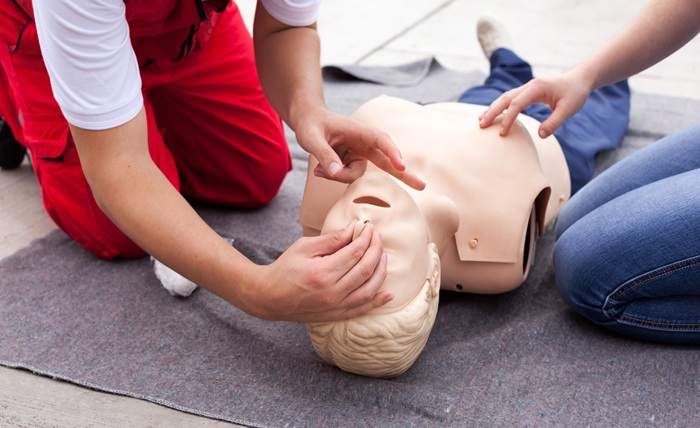
Keeping your family safe starts with knowing how to react during an emergency. From choking hazards at the dinner table to backyard accidents, the right first aid training gives you the confidence to act quickly and correctly when seconds count.
Every parent knows the sudden spike of fear when a toddler takes a hard fall or starts coughing strangely during dinner. We spend so much time baby-proofing our homes, but we often forget to prepare ourselves. Reading blogs about safety simply isn’t enough when adrenaline hits. Training with Coast2Coast First Aid & Aquatics provides hands-on practice that actually sticks in your brain. Knowing exactly how to clear an infant’s airway or bandage a deep scrape is the ultimate peace of mind.
What Will You Actually Learn in a Standard First Aid Class?
People often assume first aid is just putting on fancy band-aids. In reality, a standard course covers a massive variety of everyday emergencies.
You will learn how to identify the early signs of a stroke, manage severe allergic reactions with an EpiPen, and stabilize suspected head injuries. More importantly, instructors teach you how to stay perfectly calm. They run you through scenarios until the correct response becomes a natural reflex.
How Does Online Theory Save You Time?
Parents are busy. Finding a babysitter for a full weekend just to sit in a classroom is tough.
Blended learning fixes this problem entirely. You can complete all the reading, quizzes, and video modules online after the kids go to sleep. Then, you only need to show up for a half-day practical session to practice your compressions and bandaging techniques.
If you are looking for first aid training near Downtown Peterborough, Rubidge Street, or other areas close to our facility, then you may reach out to Coast2Coast First Aid/CPR – Peterborough in that area. For more info and articles like this visit: Click Here.
What Are the Most Common FAQs About Family First Aid?
Should teenagers take first aid courses? Absolutely. It is highly recommended for teens, especially if they are starting to babysit, become camp counselors, or simply stay home alone for extended periods.
What is the best course for new parents? Standard First Aid with CPR Level C is ideal because it heavily covers infant and child choking, CPR, and common childhood injuries.
How do you help a choking baby? You never do blind finger sweeps. Training teaches you to use a combination of firm back blows and chest thrusts while supporting the infant’s head and neck safely.
Do I need a massive first aid kit at home? Not necessarily massive, but it needs to be well-stocked. A good kit should have various sterile dressings, medical tape, trauma shears, gloves, and a CPR face shield.
Can I just watch YouTube videos instead? Videos are great for general knowledge, but they cannot correct your hand placement during CPR or tell you if you are pushing deep enough. Hands-on practice is required to build true muscle memory.