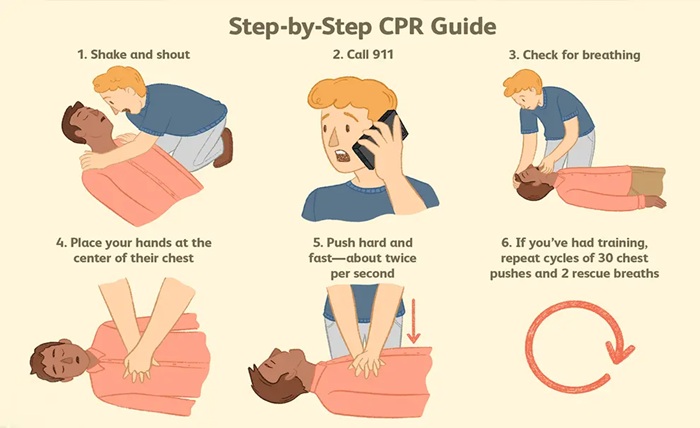
Over time, safety education has changed dramatically, embracing new technology, revised protocols, and a more thorough understanding of emergency response. CPR training is still one of the most crucial elements of any safety education program, notwithstanding these modifications. CPR, or cardiopulmonary resuscitation, is a useful technique that may help save lives in dire circumstances until trained medical care arrives. CPR training is still a crucial tool for fostering safety and confidence as communities, businesses, and educational institutions continue to put a high priority on preparation.
Instant Emergency Response Skills Are Provided By CPR Training
The capacity of CPR training to prepare people for situations that call for quick response is one of the key reasons it is still essential. Since cardiac arrest and other medical problems may happen suddenly, quick action is essential. Those who have received CPR training know how to evaluate a situation, provide chest compressions, and help until help arrives.
These useful abilities may have a big impact in the first moments of an emergency. Instead of feeling powerless in a stressful circumstance, people may react successfully by knowing CPR methods.
Safety Education Is Not Limited To Professional Environments
Although many people link safety education to the job, emergency response skills are necessary in many contexts outside of the workplace. Medical crises might occur when travelling, at home, in public, or during athletic activities. People who get CPR training gain abilities that they may use in almost any situation.
After completing a first aid course Canberra, people often find that being prepared for emergencies is more than just a job necessity; it’s a useful life skill. Family, friends, coworkers, and members of the larger community may all benefit from being able to react to a crisis with assurance.
CPR Instruction Increases Self-Assurance In Emergency Situations
The confidence that comes from CPR training is one of its main advantages. Emergencies are often hectic and emotionally taxing. People may be reluctant to take action without the right training because they are unsure or afraid of making errors.
Participants in structured training programs are better able to comprehend and apply the proper processes in real-world situations. During such situations, this practical experience promotes calm decision-making and lessens hesitancy. Because of this, trained people are more inclined to act when every second matters.
Enhanced Preparedness Benefits Contemporary Communities
When more people are capable of responding to emergencies, communities become stronger. A culture of readiness where individuals are prepared to help in unforeseen circumstances is facilitated by widespread CPR education.
First aid Canberra training programs contribute to the development of networks of competent people who can react appropriately in an emergency. Public safety is enhanced by this collective preparation, which also raises the possibility that someone in the vicinity may provide aid prior to the arrival of trained responders.
CPR Enhances More Comprehensive Safety Education
Hazard awareness, injury prevention, risk management, and emergency response are just a few of the crucial subjects covered in safety education. These areas are enhanced by CPR training, which offers useful intervention techniques that may be used in life-threatening circumstances.
CPR training teaches learners how to react when occurrences happen in spite of preventive efforts, rather than concentrating only on prevention. A more thorough approach to safety education and readiness is produced by combining preventive and response measures.
CPR Knowledge Is Still Valued In Workplaces
Employers are realising more and more how important it is to have skilled workers on hand. Emergencies may happen suddenly in a variety of settings, including businesses, construction sites, schools, hospitals, and retail establishments.
Employees who complete a CPR course Canberra gain knowledge and abilities that enhance workplace safety efforts. Having team members who can react correctly in an emergency helps organisations create a more secure and resilient workplace.
CPR Instruction Adjusts To Current Safety Requirements
The capacity of CPR training to change in tandem with improvements in emergency response procedures and medical understanding is another reason it is still relevant today. Training providers update their courses on a regular basis to include best practices and current suggestions.
Participants are guaranteed to learn methods in line with contemporary standards thanks to this continuous development. CPR training is still a flexible and reliable part of emergency preparation programs as safety education develops.
In Conclusion
Because it offers useful skills that may be used in dire situations, CPR training is still an essential component of safety instruction. It boosts self-esteem, fortifies communities, promotes workplace safety, and encourages more extensive preparedness-focused educational initiatives. CPR training continues to be one of the most beneficial expenditures in individual and community safety as individuals look for practical methods to defend themselves and others. By mastering these fundamental abilities, people improve their ability to react to crises and make the world a safer place for everyone.