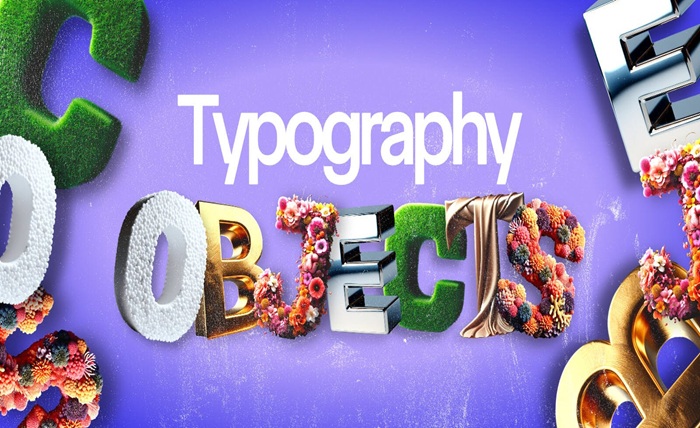
Typography is the art and technique of arranging text so that it looks good and is easy to read. Before someone even starts reading a document, the style and text create the first impression. This can tell you whether a website is modern, professional and trustworthy.
For example, you wouldn’t generally see a financial services website with Comic Sans text as it wouldn’t look professional, but Comic Sans text would work on a Disney or cartoon-style website.
Typography is Becoming More Personal
Modern fonts are much more flexible than they used to be. For example, a heading can appear bold on a desktop computer but lighter on a smartphone, still using the same font. In the past, multiple fonts would need to be loaded in the background.
This allows brands to keep a consistent look but also ensures comfortable reading for the visitor. The same idea of personalisation goes far beyond typography. Many websites now organise information into clear comparisons, reviews, and guides so users can find what they need without searching through dozens of different websites.
Online gaming is a good example of this. For example, Indian players researching where to play can go to Casino.com for Indian users, which brings together comparisons and details in one place so potential players can compare the various casinos before deciding which one to play at.
Typography Helps Build Brand Identity
Typography also plays an important role in branding. Many companies use the same fonts across their websites, advertisements, emails, and brochures to create a consistent identity. Over time, people begin to associate certain type styles with particular brands, even without consciously noticing them. Think of Coca-Cola as an example. They use a very distinct font in their lettering, which is also their logo. It is immediately recognisable. Choosing the right typography helps businesses reinforce the message they want customers to remember.
Unicode Fonts Are Changing Online Profiles
Unicode-based styled text is not a downloadable font file but rather character sets built directly into the Unicode standard, which is why a bio written in bold font or small caps renders identically whether someone is on Instagram, Discord or a messaging app. This is because the styling travels with the text itself without any image or plugin required.
This has become a simple way for individuals, influencers, and small businesses to stand out online. A creative username, social media bio, or headline can instantly look more distinctive without needing any graphic design skills.
AI is Helping Designers Work Faster
Artificial intelligence is another tool that is also changing how typography is created. AI tools can now suggest font combinations and different styles of letters to suit the designer’s document. This is something that would normally take designers many hours of testing and tweaking. AI simply uses algorithms to find the best-suited font, which can also be adjusted depending on the screen size or the type of device being used.
This doesn’t mean that AI is replacing designers but rather serves as a helpful tool which cuts down some of the time and makes suggestions the designer may not have thought about. The designer will still need to add the human creative touch, but AI simply speeds up the process.
Most designers use it as a first draft and then add their own creativity and flair to produce a polished final piece.
Better Typography Creates Better User Experiences
All of these trends point towards the same goal. Namely, creating digital experiences that are more responsive to the people using them. Variable fonts improve readability across devices. Unicode styling makes personal branding easier across platforms. AI helps designers create typography that better reflects a brand while adapting more quickly to changing trends.
The same approach is becoming common across many digital services. Whether someone is choosing a font, comparing products, or researching online platforms, technology is increasingly organising information in a way that helps users make quicker, more confident decisions.
However, good design still depends on the human touch in terms of creativity and understanding the audience. No technology tool can totally replace the human touch, and it isn’t meant to. They are merely available to help designers as a starting point to save time and give some ideas the designer may not have thought of.
The Future of Digital Typography
As websites and apps continue to evolve, typography will become even more responsive and personalised. Advances in AI, variable fonts, and accessibility tools are making it easier than ever to create text that adapts to different users and devices. While trends will continue to change, the goal remains the same. Designers need to present information in a way that is attractive, easy to read, and enjoyable for everyone.